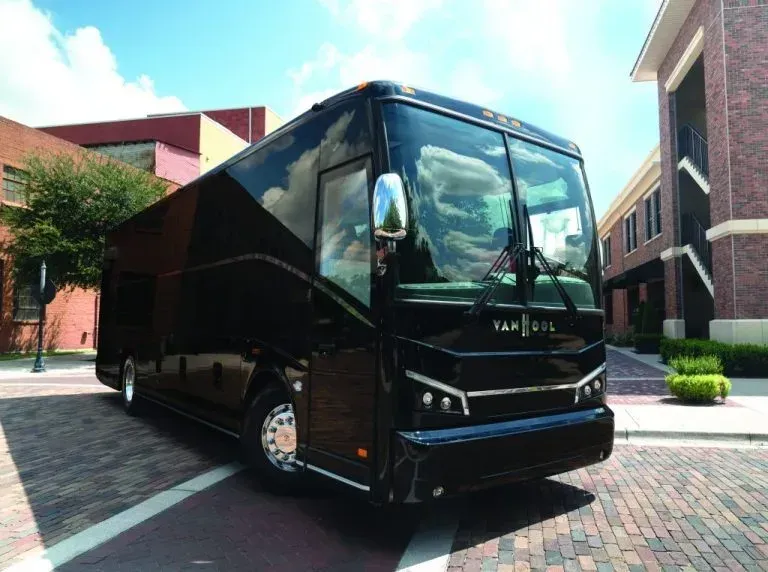
Planning transportation for a large group can easily become a demanding process when various schedules, pickup arrangements, and travel expectations need to be coordinated. Whether the event involves business gatherings, family functions, group activities, or special occasions, achieving timely arrivals for everyone calls for careful planning. An effective transportation plan helps prevent misunderstandings, limits delays, and contributes to a smoother experience for everyone involved. Through understanding the fundamental components of transportation coordination, planners can ensure a seamless journey from beginning to completion.
When sizeable groups travel collectively, transportation serves a purpose beyond merely moving passengers between destinations. It contributes meaningfully to the success of the overall experience. Careful organization helps preserve timelines, strengthen participant communication, and improve overall travel comfort. At A1 Quality Express Limousine, we convention transportation recognize the value of providing structured transportation solutions that allow groups to travel comfortably and confidently.
Plan Transportation Ahead of Time
Effective group transportation starts with advance preparation. Late planning can reduce transportation choices and make it more difficult to satisfy group requirements. Organizers should begin by determining the number of passengers, travel dates, estimated departure times, and destination requirements. Collecting this information in advance provides a strong basis for transportation plans that align with the event schedule.
Forward-thinking preparation allows planners to detect issues before they become significant problems. Transportation arrangements can be affected by traffic conditions, event timelines, pickup coordination, and accessibility requirements. Addressing these factors in advance helps organizers establish a transportation plan that supports smooth movement. Comprehensive planning frequently leads to more seamless travel experiences and fewer surprises.
Evaluate Group Size and Travel Requirements
A critical transportation planning task is evaluating the number of participants and their specific requirements. Accurate traveler counts assist in matching transportation resources to group requirements effectively. Organizers should confirm attendance numbers as early as possible and continue updating those figures as plans evolve.
Apart from determining group size, attention should be given to the unique needs of participants. Some group members may have additional baggage needs, while others may benefit from specific accommodations or assistance. Understanding these details allows transportation arrangements to be customized accordingly. Obtaining comprehensive details helps planners deliver greater comfort and efficiency throughout the trip.
Formulate a Clear Transportation Schedule
A precise transportation schedule provides direction for the entire group. Planners need to map out departure schedules, pickup points, travel time estimates, arrival targets, and designated stops. Having a detailed schedule minimizes uncertainty and helps everyone understand where they need to be and when. Consistency and clarity are especially valuable when managing larger groups with multiple participants.
Clear communication is essential for making transportation schedules successful. All group members should obtain transportation information in advance. Providing schedules through digital platforms or printed copies helps maintain awareness among participants. Well-defined expectations contribute to smoother and more efficient transportation execution.
Designate Centralized Gathering Locations
Handling several pickup points can add unnecessary complications to large-group travel. When possible, coordinators should use unified pickup and drop-off points for participant convenience. Bringing participants together at one location streamlines boarding and reduces logistical delays. It also enhances communication and increases overall operational efficiency.
Using centralized locations makes it easier to verify all passengers before leaving. Team leaders can confirm group members, distribute information, and handle inquiries before departure. This structured approach ensures all participants are ready and helps maintain schedule accuracy. Defined meeting locations greatly improve coordination throughout the journey.
Maintain Strong Communication Throughout Coordination
Effective communication is one of the most valuable tools in successful transportation coordination. All group members should receive ongoing updates about schedules and changes. Accurate communication reduces confusion and helps passengers prepare properly. Strong communication increases both efficiency and overall satisfaction.
Coordinators should set up consistent communication methods for all updates. Communication tools such as messaging systems and emails ensure timely information sharing. Throughout any effective transportation plan, communication acts as the central link keeping everyone aligned. Frequent updates improve reassurance and reduce potential issues.
Be Ready for Unplanned Events
Even the most carefully planned transportation arrangements can encounter unexpected circumstances. Unpredictable factors like weather and traffic may require prompt decision-making. Flexibility within planning improves the ability to handle sudden changes. Proper preparation helps maintain stability despite evolving circumstances.
Backup communication systems, alternative routes, and assigned contacts should be part of contingency planning. Established procedures help minimize stress and ensure structured responses to challenges. Early planning supports continued efficiency despite modifications.
Emphasize Comfort and Convenience for Passengers
Passenger comfort plays a significant role in the overall transportation experience. Groups traveling together for long periods require strong focus on comfort. Comfortable seating, organized boarding procedures, and a well-managed travel environment help create a positive atmosphere throughout the journey. When passengers are comfortable, they tend to have a better experience and arrive ready.
Convenience also plays a key role in effective transportation planning. Simplified boarding processes, clear instructions, and efficient scheduling reduce unnecessary complications for passengers. Proper organization allows travelers to focus on the experience rather than planning details. A comfortable and convenient journey often enhances the overall success of the occasion.
Work with Experienced Transportation Professionals
Group transportation involves multiple moving components, making professional assistance highly valuable. Expert providers are capable of handling schedules and coordinating group movement effectively. Professional experience helps ensure structured and dependable transportation planning.
Professional providers contribute valuable knowledge that strengthens organization. Their expertise in group travel supports proactive problem-solving. Professional assistance enables organizers to focus on the occasion while transport is handled efficiently.
Integrate Group Transportation Into the Event Experience
Transport should be seen as an extension of the overall experience, not only a means of movement. Well-organized travel allows participants to relax, interact, and enjoy the experience before arrival. Well-managed transport enhances the event atmosphere and experience.
At A1 Quality Express Limousine, we believe effective group transportation starts with careful planning, clear communication, and dedication to passenger satisfaction. With the right approach, coordinating large-group travel can be simple and efficient. Attention to structure and comfort ensures successful group transportation experiences. We are committed to creating reliable travel experiences that ensure passenger peace of mind.
Comments on “How to Simplify Travel Planning for Large Groups”